


Services
IHHT (Intermittent Hypoxia-Hyperoxia Training)
During therapy, you inhale and exhale air with a fluctuating oxygen content through a breathing mask. Older and damaged mitochondria (the body’s energy factories) cannot withstand this stress, causing the body to form new, young mitochondria after multiple treatments. This method is similar to altitude training.
- Indications of IHHT:
- Chronic fatigue
- Long COVID syndrome
- Lung diseases such as COPD and pulmonary emphysema
- Heart diseases such as heart failure and coronary artery disease
- Neurodegenerative disorders (including Lyme disease and Parkinson’s disease)
- Diabetes and eye diseases
- Positive effects of IHHT:
- Increases physical and mental performance
- Regenerates cell energy or mitochondria
- Strengthens the immune system
- Balancing the autonomic nervous system
- Improving the ability to concentrate
- Optimization of stress resistance
- Encouraging lipid metabolism and thereby promoting weight loss
- Cardiovascular support
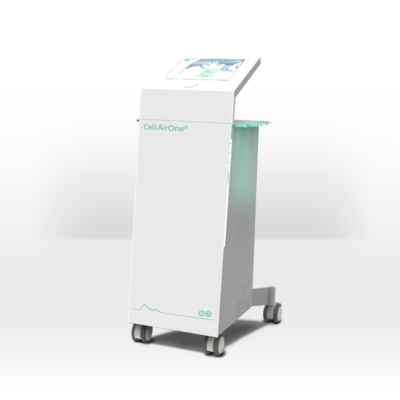
CO₂ Therapy
Carbon dioxide therapy, also known as carboxytherapy, is a therapeutic, non-invasive treatment that involves small amounts of carbon dioxide (CO₂) gas applied topically to the skin. Patients, or parts of the patient’s body, are enclosed in a carbon dioxide treatment sleeve. Residual air is then gently sucked from the sleeve and carbon dioxide, warmed to human body temperature, is then slowly introduced. The carbon dioxide can then gradually pass through the skin, causing vasodilation, acceleration of blood vessel formation in damaged tissues, and release of oxygen into the tissues.
- Indications of CO₂ therapy:
- Blood supply issues in both the blood and lymphatic system
- Diabetes
- Soft tissue injuries and scars, wound healing
- Scar recovery after surgery
- Stretch marks and cellulite
- Sports regeneration
- Polyneuropathy
- Weight loss
- Anti-aging
- Positive effects of CO₂ therapy:
- Enhanced circulation of blood and oxygen
- Stimulates collagen production through activation of fibroblasts
- Anti-inflammatory properties
- Promotes angiogenesis – the formation of new blood vessels

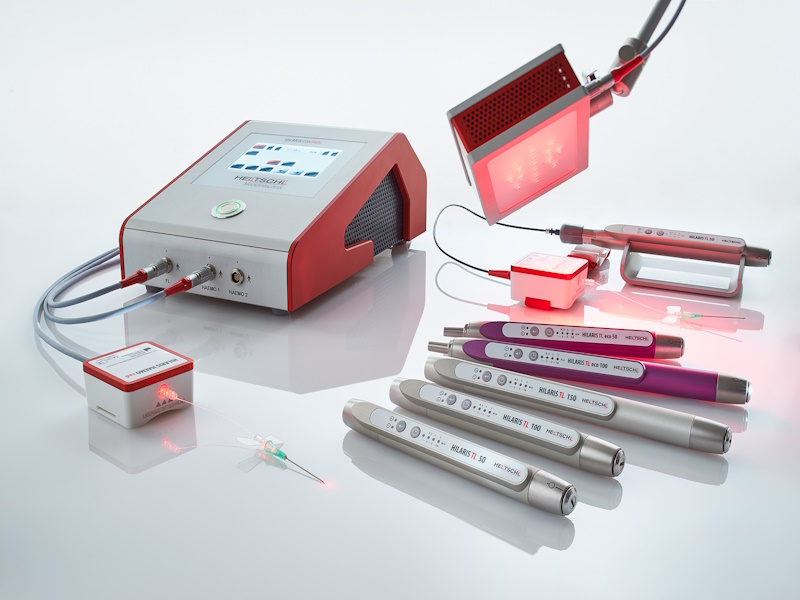
Laser Therapy (Haemo Laser and Surface Laser)
Laser therapy is used in functional and regenerative medicine to support cellular activation, microcirculation, and the body’s natural regeneration processes. Depending on the patient’s condition and symptoms, we work with both intravenous haemo laser therapy and surface laser systems.
Intravenous haemo laser therapy is primarily used to support energy production, circulation, regeneration, and mitochondrial function. The goal is to help improve the body’s regulatory capacity and promote recovery processes.
In addition, we use surface lasers locally and specifically — for example for joint problems, muscle tension, sports injuries, impaired wound healing, scars, skin conditions, or neurodermatitis. Laser therapy may also be used as supportive treatment for chronic musculoskeletal complaints.
Each treatment is individually adapted according to the patient’s symptoms, resilience, and medical situation. We often combine laser therapy with other supportive approaches from functional medicine in order to optimally support regeneration, circulation, and cellular metabolism.
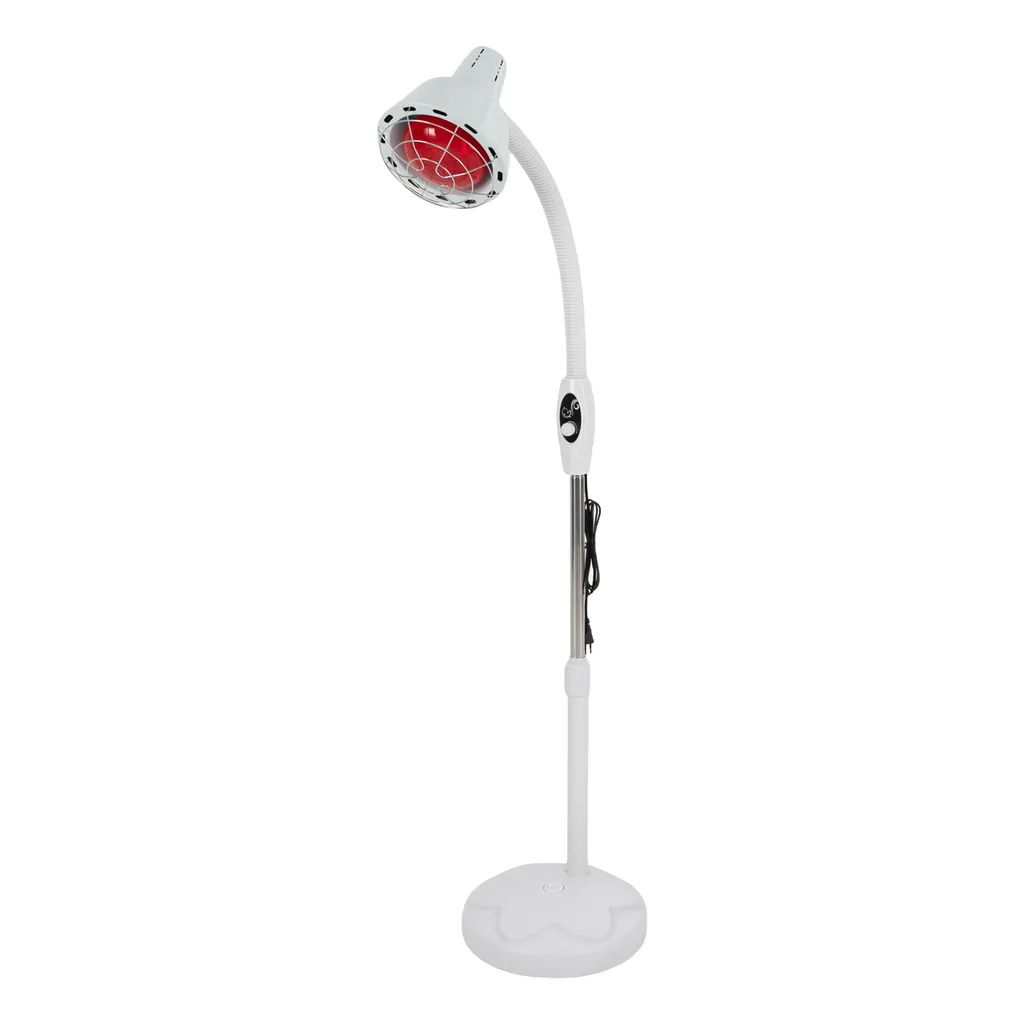
Infrared Therapy
Medical infrared therapy uses targeted deep heat to support physiological processes within the body. Unlike simple heat lamps or cosmetic applications, this therapy works with intensive, deeply penetrating warmth designed to influence muscles, tissues, and circulation.
The treatment is used to support conditions such as muscle tension, joint complaints, chronic pain, recovery after physical strain, and impaired circulation. The deep heat may help relax tense muscles and support the body’s natural regenerative processes.
Depending on the individual condition, we often combine infrared therapy with other regenerative and functional medical approaches. The goal is medically supervised support of regeneration, metabolism, and overall well-being.
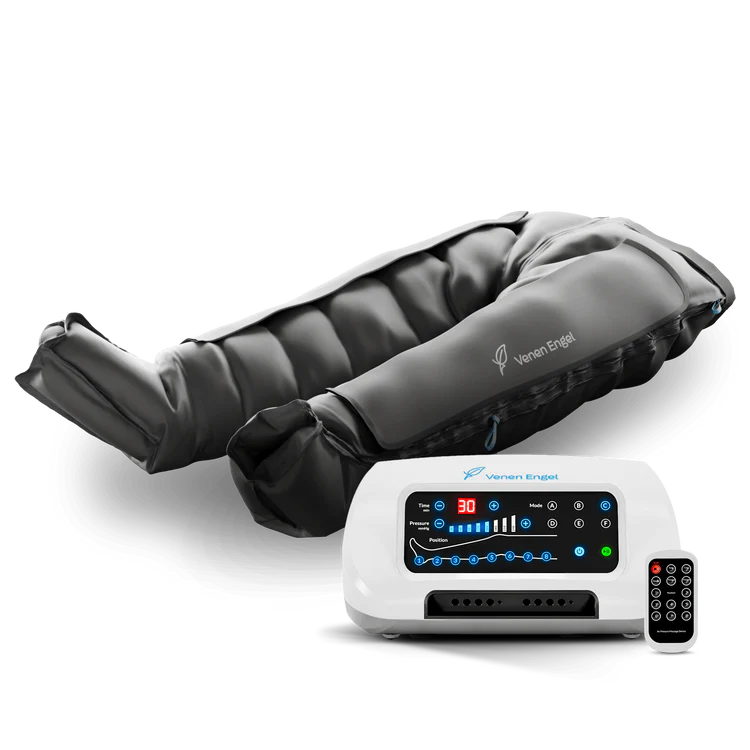
Mechanical Lymphatic Drainage and Compression Therapy
Mechanical lymphatic drainage and compression therapy supports the removal of excess fluid from the tissues and may stimulate the body’s natural lymphatic flow. The goal of the treatment is to reduce swelling, improve circulation, and support the body’s regeneration and recovery processes.
The therapy is commonly used for heavy or swollen legs, lymphatic congestion, fluid retention, recovery after physical strain, prolonged immobility, or as supportive treatment for certain musculoskeletal complaints. It may also be used as supportive therapy for lymphedema in order to promote lymphatic drainage and reduce swelling and feelings of tension.
The rhythmic pressure treatment may help support microcirculation and improve overall well-being. The intensity and duration of therapy are individually adapted according to symptoms, resilience, and the patient’s medical situation.
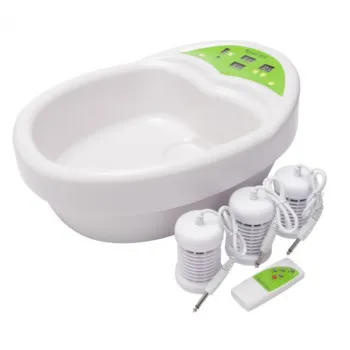
Electrolysis Foot Bath
The electrolysis foot bath is used in complementary and functional medicine as a supportive therapy to promote regeneration, circulation, and the body’s natural elimination processes. Electrical impulses in the water are intended to stimulate the skin, microcirculation, and the body’s regulatory mechanisms.
The treatment is often used alongside therapies for chronic stress, environmental burden, exhaustion, or as part of detoxification and regenerative concepts. The goal is to support the body’s natural detoxification and elimination pathways. The therapy may also be used as a supportive measure within treatment concepts aimed at the elimination of toxic metals and other burdens.
The warmth and stimulation of the skin may improve circulation and support the opening and activation of skin pores. Many patients describe the treatment as relaxing and report a pleasant warming sensation and improved well-being.
Depending on the individual situation, we often combine electrolysis foot baths with supportive approaches such as micronutrient therapy, chelation therapy, microbiome support, lymphatic therapy, or regenerative treatments. The goal is an individually adapted, medically supervised support of regeneration, metabolism, and elimination processes.
KeyTec Therapy
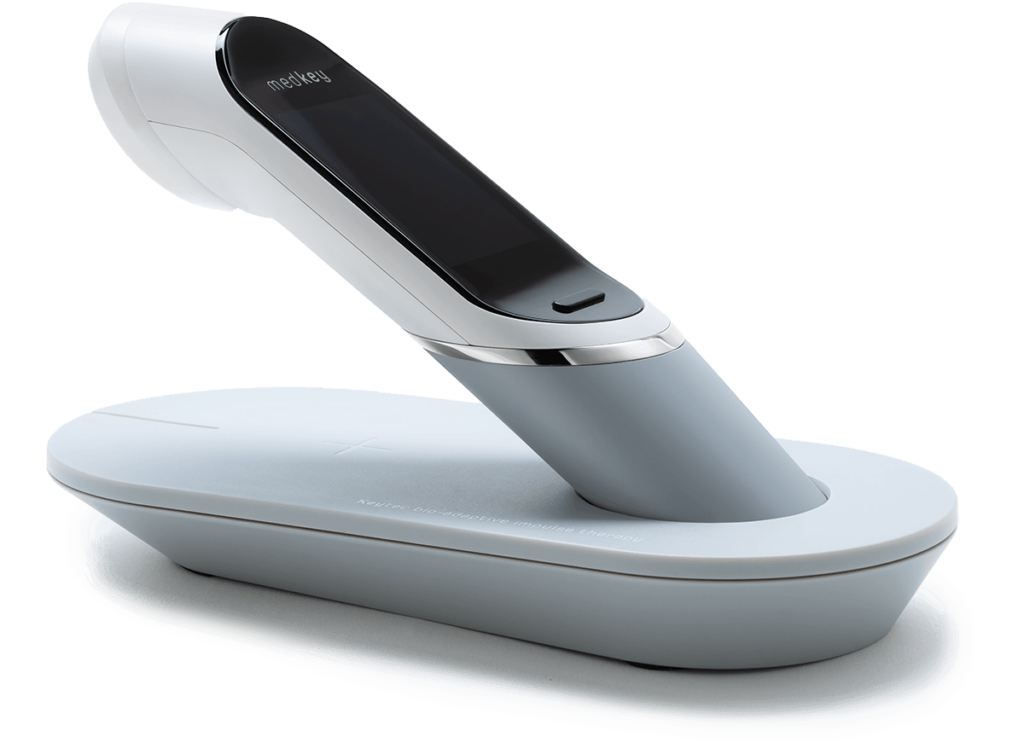
KeyTec therapy is a bioadaptive stimulation method used to support pain management, regeneration, and functional movement patterns. Through targeted impulses, the therapy aims to activate and train muscles, nerves, and the body’s natural regulatory mechanisms.
The therapy is commonly used for muscle tension, joint complaints, chronic pain, restricted mobility, neurological symptoms, or recovery after injuries. The goal is to support neuromuscular coordination, improve movement patterns, and stimulate regenerative processes.
The system works with individually adapted stimulation and training impulses that can respond dynamically to the body’s reactions. As a result, the therapy may be used both as an activating and supportive treatment during rehabilitation and recovery phases.
Depending on the patient’s condition, we often combine KeyTec therapy with other functional and regenerative approaches such as laser therapy, lymphatic therapy, IHHT, infrared therapy, or targeted supplementation. The goal is an individually adapted, medically supervised support of pain reduction, mobility, and regeneration.
Magnetic Acupuncture
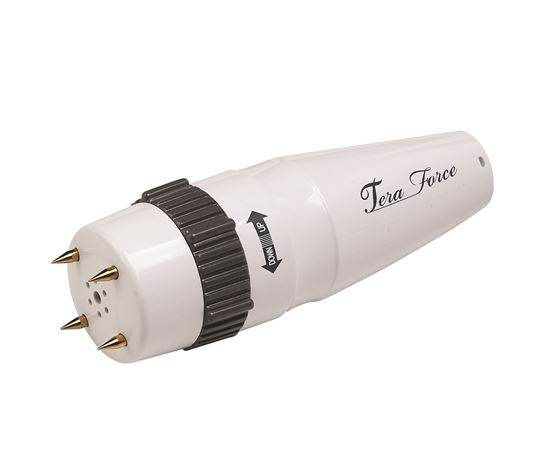
Magnetic acupuncture combines elements of acupuncture with targeted magnetic impulses to support the body’s regulatory, regenerative, and relaxation processes. The goal of the treatment is to gently stimulate specific points and areas of the body without the use of traditional needles.
The therapy is commonly used for muscle tension, pain, stress-related symptoms, exhaustion, functional complaints, or general support of well-being. The gentle stimulation may help activate the body’s natural regulatory mechanisms and support relaxation processes.
Since no needles are used, many patients perceive magnetic acupuncture as especially comfortable, making it suitable even for sensitive individuals or patients who are hesitant about traditional acupuncture.
Depending on the individual condition, we often combine magnetic acupuncture with other functional and regenerative approaches such as laser therapy, infrared therapy, IHHT, or micronutrient therapy. The goal is an individually adapted, medically supervised support of regeneration, relaxation, and overall well-being.
Regenerative Sports Medicine
Explore the Benefits of Regenerative Sports Medicine with Us! We are dedicated to enhancing the performance and recovery of athletes at all levels, utilizing the most advanced technologies and treatments available in this dynamic field.
One of the innovative approaches we offer is CO2 therapy, which harnesses the vasodilatory properties of carbon dioxide to stimulate blood circulation and facilitate the transport of nutrients and oxygen to affected tissues. This accelerates healing and reduces inflammation, helping athletes overcome their injuries more quickly and reach their full potential.
Intermittent hypoxia-hyperoxia therapy is another revolutionary option we provide, involving alternating between periods of reduced oxygen (hypoxia) and increased oxygen levels (hyperoxia). This therapy stimulates the production of erythropoietin and angiogenesis, improving oxygen utilization and enhancing endurance, crucial aspects for athletes aiming to push their limits.
Additionally, we employ infrared technology to expedite healing and alleviate pain. Infrared light penetrates deep into tissues, increasing circulation and facilitating cellular repair, leading to faster recovery from injuries and quicker return to training.
Micronutrient Therapy (Orthomolecular Medicine)
The aim of micronutrient therapy is to optimally supply the body with micronutrients such as minerals, trace elements, vitamins, amino acids, essential fatty acids and bioflavonoids (plant substances). A deficit in micronutrients can be recognized, for example, by exhaustion, concentration problems, constant tiredness, malfunctions of the immune system (increased herpes recurrences and allergies) and premature ageing of the skin, joints and organs.
Infusion Therapy for Deficiencies
In our practice we offer vitamin/mineral/amino acid cures in the form of infusions. These cures support people who suffer from physical weakness, loss of vitality, tiredness, immune deficiencies, susceptibility to infections or a lack of vitamins and minerals. Vitamin infusions can strengthen the human body as a whole and support regeneration, and vitamin and mineral deficiencies can also be treated in a targeted manner. A vitamin cure is also suitable for the regeneration phase after illness to ensure that the body recovers as quickly as possible.
We also offer procaine base infusion therapies. These are mainly used in the treatment of acute and chronic pain conditions. The properties of procaine have been proven in many scientific studies. These properties include the reduction of pain sensitivity, an anti-inflammatory and anti-rheumatic effect, the reduction of balance disorders, an anti-depressive and blood-lowering effect. Among other things, the infusions are used for chronic, neuropathic, acute radicular and acute pseudoradicular pain, rheumatism and arthrosis therapy, treatment of circulatory disorders and body deacidification, which is usually present in chronic diseases.
Perioperative Electrolyte and Fluid Balancing
Perioperative electrolyte and fluid balancing is a crucial aspect of patient care before, during and after surgery. This process ensures correct electrolyte levels and maintains adequate fluid volume in the body, preventing complications that arise from these levels not being close to ideal.
Electrolyte Balancing
Electrolytes are minerals in our body that carry an electric charge and play a crucial role in maintaining the functionality of our body. Common electrolytes include sodium, potassium, calcium, magnesium and chloride, and proper electrolyte balance ensures normal nerve and muscle function.
During surgery, the electrolyte levels in the body may change due to various factors, such as anaesthesia, blood loss, or fluid administration. Therefore, monitoring and adjusting electrolyte levels before, during and after surgery are vital to prevent complications such as arrhythmias, muscle weakness and altered mental status.
Fluid Balancing
Much the same as with electrolytes, maintaining correct fluid balance is essential for optimal organ function and tissue perfusion around the time of surgery.
Before surgery, it is important to optimise patient hydration, as well as assess the patient’s baseline fluid needs. During surgery, fluids are then administered intravenously to compensate for blood loss and maintain blood pressure, preventing severe hypotension.
In our practice, we balance the electrolytes and fluids preoperatively and are in charge also of the aftercare.
Chelation Therapy / Metal detoxification
We do not view metal detoxification as a standardized “service” in which every patient receives the same protocol. For us, individualized medical assessment is essential: When is detoxification appropriate? In which order should treatment steps be performed? Which organs and metabolic pathways need support beforehand?
Before starting chelation therapy, we evaluate factors such as gut health and the microbiome, mineral status, mitochondrial function, detoxification capacity, and the body’s overall resilience. In many cases, it is important to first rebuild the microbiome, correct nutritional deficiencies, and stabilize the body’s protective systems.
In addition, we use targeted supplementation and supportive therapies to help reduce potential side effects and support the body throughout the detoxification process. Our goal is an individualized, medically supervised therapy — not a rapid or uncontrolled removal of toxic metals.
Infusion Therapy for Concentration and Mental Performance
Busy men and women can fall victim to fatigue, stress or a lack of focus. We offer customized infusion therapy plans for those making important decisions in their workplace and striving to get the best out of themselves in their careers. Depending on the infusion formula chosen, this type of therapy can help with concentration, energy and stress, and the results can be seen fairly quickly too. This treatment can be combined with the altitude training (IHHT) mentioned above.
Nutritional Advice
Improper nutrition can trigger a variety of diseases. It is therefore all the more important to know the needs of your own body and to adapt your diet accordingly. Not only can the ideal weight be achieved, but heart and circulatory diseases, diabetes, arthrosis and cancer can also be avoided. In addition, healthy nutrition is the basis for a powerful and vital body.
The nutritional advice in my practice includes extensive diagnostics and, based on this, the development of an individual plan to change existing eating habits. In order to make the changeover process as successful as possible, a consultation is usually necessary every three months.
Special Laboratory Tests
- HPU diagnosis: In this form of examination, the hemopyrrole in the urine is measured in order to diagnose the metabolic disorder hemopyrrolic actamuria (HPU). Symptoms associated with HPU may include allergies, food or drug intolerances, gastrointestinal complaints, skin problems, psychological symptoms, chronic fatigue, dizziness, sleep disorders, and many others. If HPU is suspected, this can be evaluated through specialized laboratory testing.
- Microbiome and intestinal diagnostics: Atopic diseases such as neurodermatitis, pollinosis, food allergies, irritable bowel syndrome, chronic inflammatory bowel diseases, obesity, insulin resistance, type 2 diabetes mellitus, and metabolic syndrome may be associated with alterations in the intestinal microbiome. Specialized stool and microbiome diagnostics can provide additional information about intestinal health and regulatory processes.
- LTT metal testing: The lymphocyte transformation test (LTT) for metals can be used to evaluate immunological sensitization to different metals and may provide additional information in patients with suspected intolerance or chronic exposure to toxic metals.
- LTT Borrelia diagnostics: Specialized LTT testing for Borrelia may support the assessment of immune reactions in patients with suspected chronic or previous Borrelia exposure.
Biovis multi-pathogen testing: The Biovis multi-pathogen test allows an extended evaluation for various pathogens and may be integrated into broader functional and environmental medical diagnostic concepts when clinically appropriate. - Biovis Tryptophan Metabolism Plus: This laboratory analysis evaluates different pathways of tryptophan metabolism, which may play a role in neurotransmitter balance, mitochondrial function, immune regulation, stress response, and chronic inflammatory processes.
- Vitamin, mineral, and immune diagnostics: In our practice, laboratory parameters can be selected individually according to symptoms, medical history, and clinical presentation. Additional specialized laboratory analyses may also be discussed individually during consultation.
Functional Tumour Follow-Up
In the case of functional or holistic tumour aftercare, one not only considers the regression of the tumour itself, but also include all other factors in order to, firstly, support the healing process, but also to reduce the probability of the tumour recurring. In addition to medical examinations, intensive discussions are also held during holistic tumour aftercare. These are essential and serve to be able to care for the patient individually and to identify possible factors in good time that could stand in the way of healing. Proper nutrition, state of mind and lifestyle play an important role here.
Dental Sanitation
We work together with like-minded dentists and oral surgeons to ensure, for example, the best possible recovery after dental procedures/treatments, but also general good dental health. Among other things, we deal with the preparation and follow-up of dental restoration, including the removal of metal parts, and insertion of metal-free implants.
Composition of Microbiome
Our intestines play a very important role in our health, as about 80% of our body’s defensive reactions take place in them. A comprehensive microbiome analysis can show if the gut is in balance and which areas can be treated. Research in recent years has shown that microbiomes are responsible for various diseases such as allergies, depression, multiple sclerosis, ADHD, autism, etc.
For example, atopic diseases such as neurodermatitis, pollinosis, food allergies, irritable bowel syndrome, chronic inflammatory bowel diseases, obesity, insulin resistance, type 2 diabetes mellitus and also the metabolic syndrome can have a change in intestinal flora as the cause.
Spectrophotometric Mineral Analysis
Spectrophotometric mineral analysis is used for an advanced assessment of the body’s mineral and trace element status. Using specialized measurement techniques, various minerals and elements can be analyzed to identify possible imbalances, burdens, or increased physiological requirements.
The analysis is frequently used in functional and preventive medicine — for example in cases of exhaustion, chronic stress, muscle complaints, impaired regeneration, increased physical strain, or as part of metabolic and detoxification concepts.
Minerals play a central role in cellular function, the nervous system, muscular function, energy production, mitochondrial activity, and many enzymatic processes. Imbalances in mineral status may affect well-being, resilience, and regenerative capacity.
The results are interpreted individually and may be integrated into a broader functional treatment concept — for example for targeted supplementation, nutritional optimization, or support of regenerative processes.
VNS Analysis (Vegetative Nervous System Analysis)
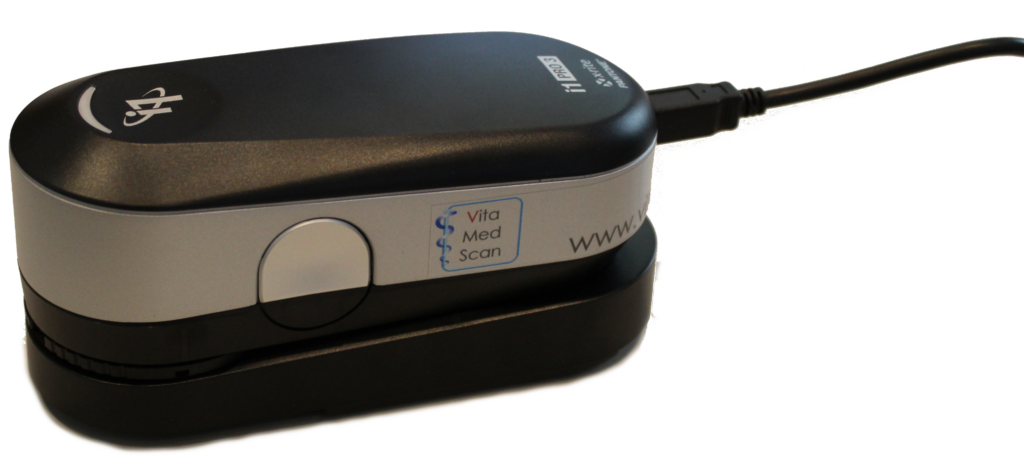
With the help of a VNS analysis, the functional state of the autonomic nervous system can be assessed quickly and easily. The vegetative or “autonomic” nervous system controls all organ systems that cannot be consciously influenced, such as heartbeat, breathing, digestion, blood pressure, hormones and the immune system.
If you want to feel healthy, you should pay attention to well-functioning regulation. A VNS analysis shows, by assessing heart rate variability, how the body currently deals with stress, how it can relax, and gives a general impression of deficits or regulatory disorders before symptoms even appear.
In addition to just prevention, it is particularly recommended to carry out a VNS analysis for illnesses such as stress, exhaustion, sleep disorders, diabetes, chronic pain, high blood pressure, heart disease, burnout or even depression.
Genetics and Epigenetics
Genetics is the science of heredity, and genetic testing is often the key to in-depth diagnosis. It is not about accepting what is given. In combination with epigenetic approaches, we find a way to better deal with pre-existing health conditions. Epigenetics represents the link between genetic material and stressful environmental factors. Examples of genetic investigations relate to the following topics, among others: mitochondrial detoxification, cathecolamin metabolism, liver detoxification, methylation and immune defence.